
For organisations operating on legacy systems, the focus is not just speed — but managing risk, continuity, and long-term control.
Different starting points. One clear path forward.
Legacy Systems Migration
The Challenge
Legacy ERP systems are increasingly unable to support modern business requirements:
Limited vendor support and ongoing innovation
Rising maintenance and infrastructure costs
Inflexible architecture and integrations
Increasing security, compliance, and audit challenges
A Controlled Path to Modernisation
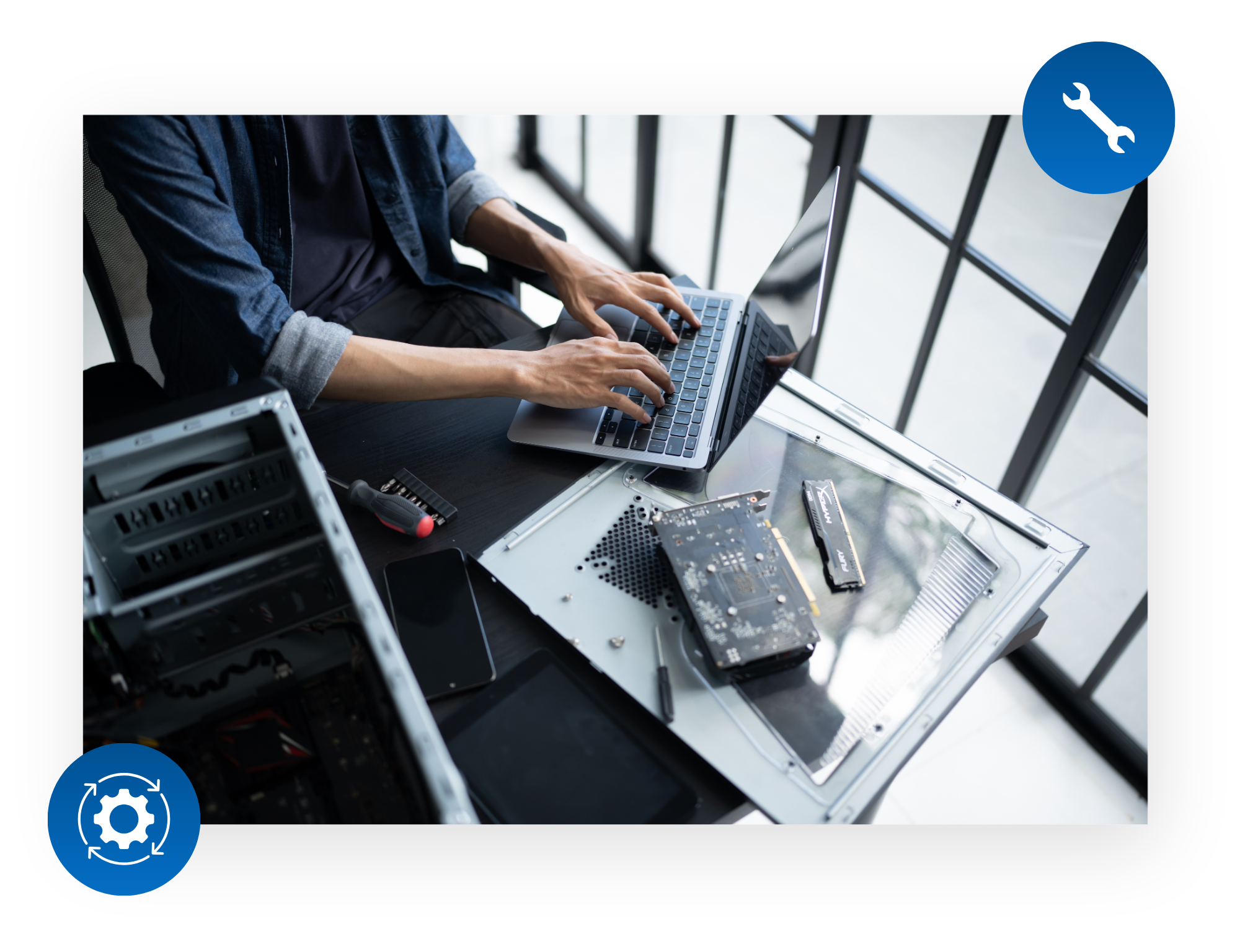
Migration to Business Central provides a structured way to transition from legacy systems while protecting business continuity and reducing risk.
Choosing the Right Migration Path
Every migration starts from a different position. Selecting the right approach is critical.
Technical Upgrade (Lift & Shift)
For newer systems with low complexity — fast transition with minimal disruption.
Reimplementation (Clean Start)
For older or highly customised systems — redesign processes and remove legacy complexity.
Hybrid / Phased Migration
For complex environments — staged migration to reduce risk and enable gradual transition.
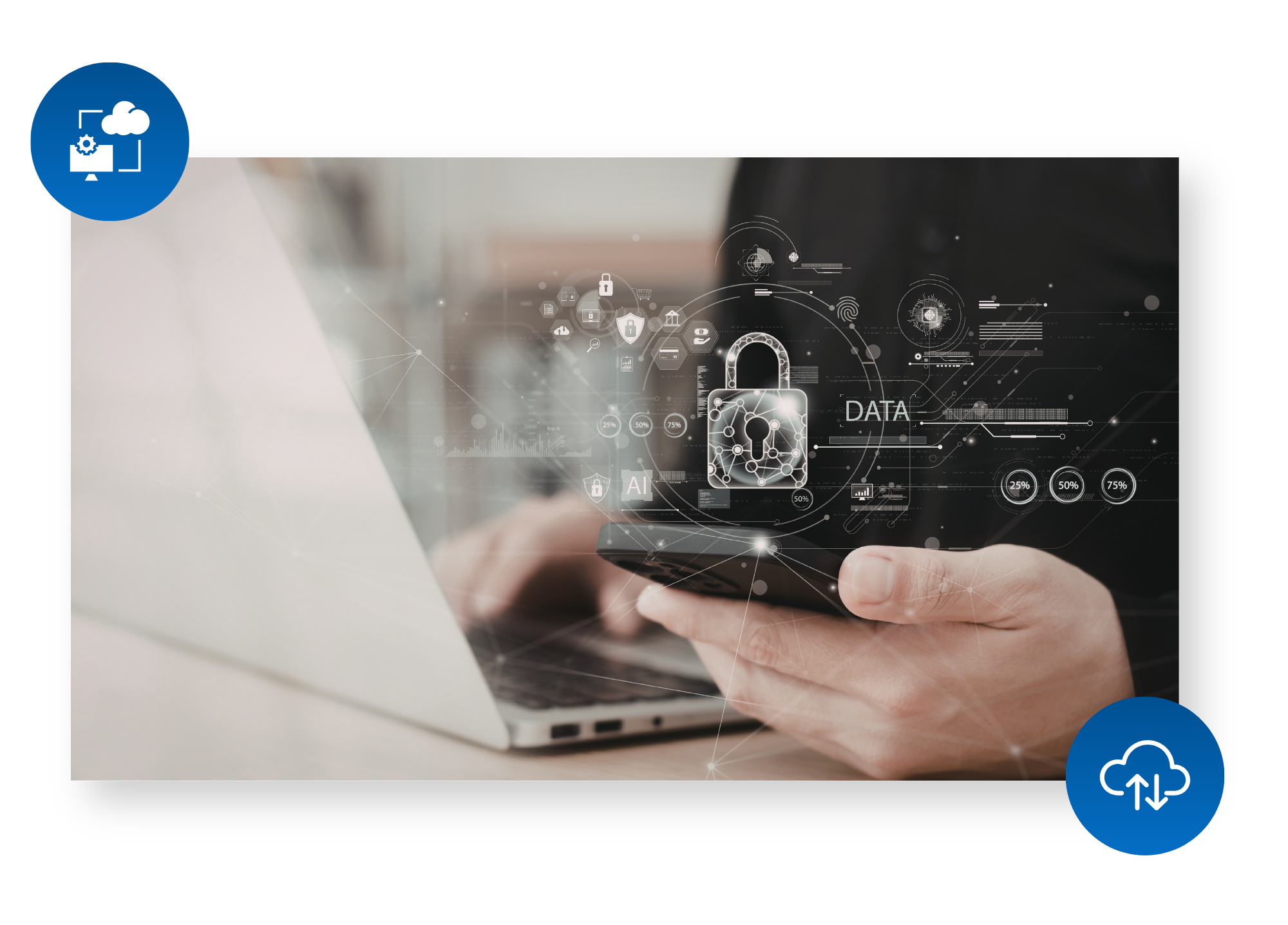
A Structured Migration Approach
We follow a Microsoft-aligned framework to ensure a controlled transition:
Discovery & Assessment
Stage 1
Discovery & Assessment
Migration Planning
Stage 2
Migration Planning
Data Validation
Stage 3
Data Validation
Testing & Go-Live
Stage 4
Testing & Go-Live
Each phase is designed to maintain data integrity, ensure traceability, and establish a reliable audit trail in the new environment.
What We Manage
We ensure historical data is handled appropriately and that key financial and operational records remain auditable post-migration.
Data migration and validation
Modernisation of customisations
Integration alignment
Risk and dependency management
Business Outcomes
Improved visibility and reporting
Greater operational efficiency
Stronger governance and control